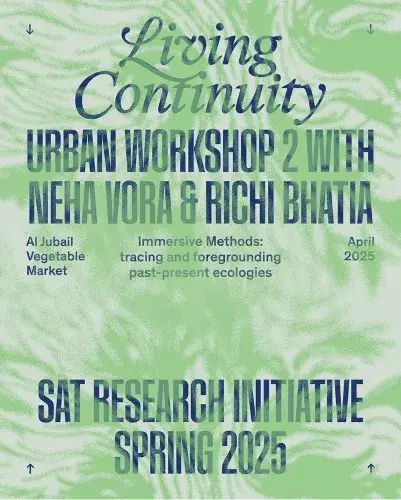
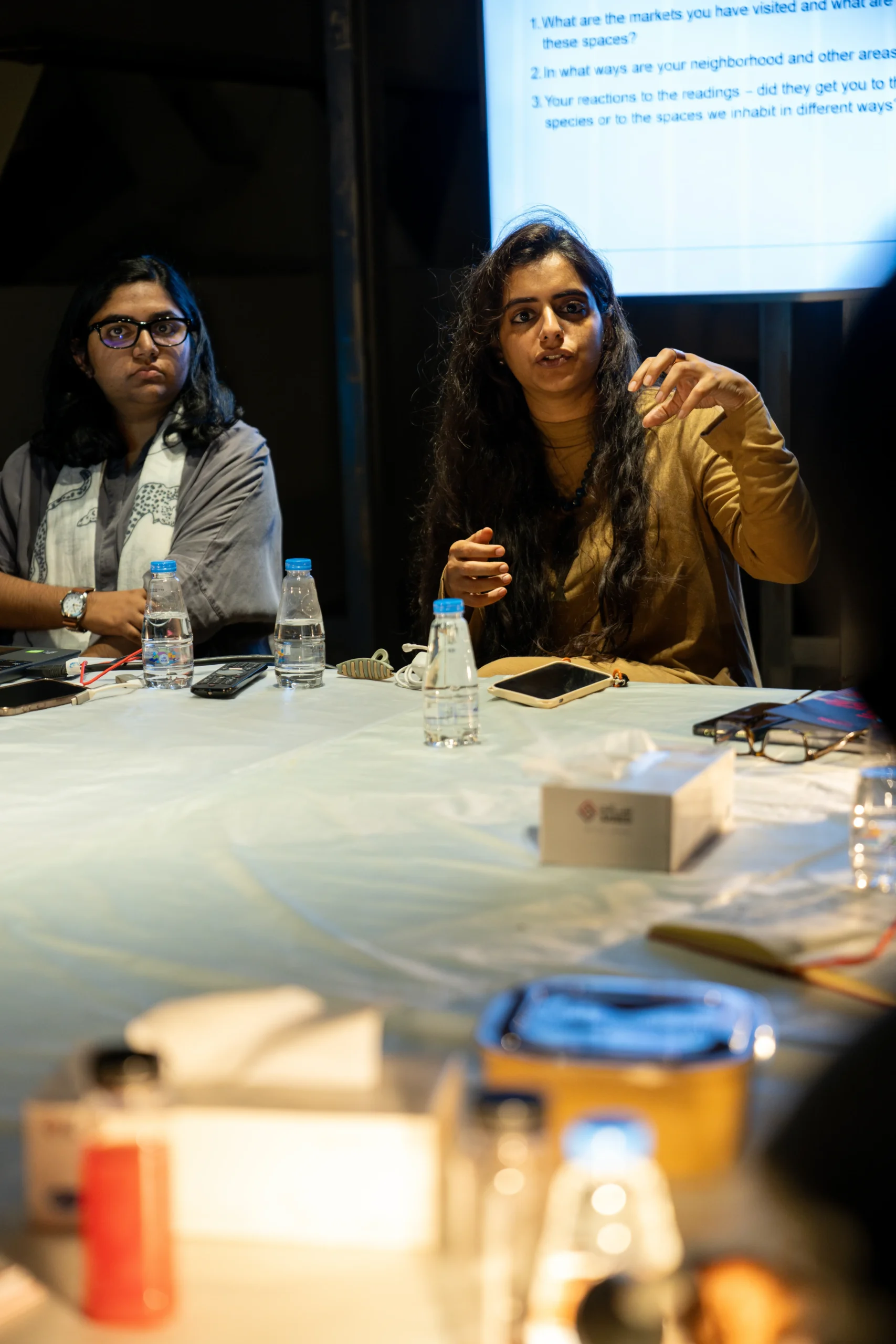
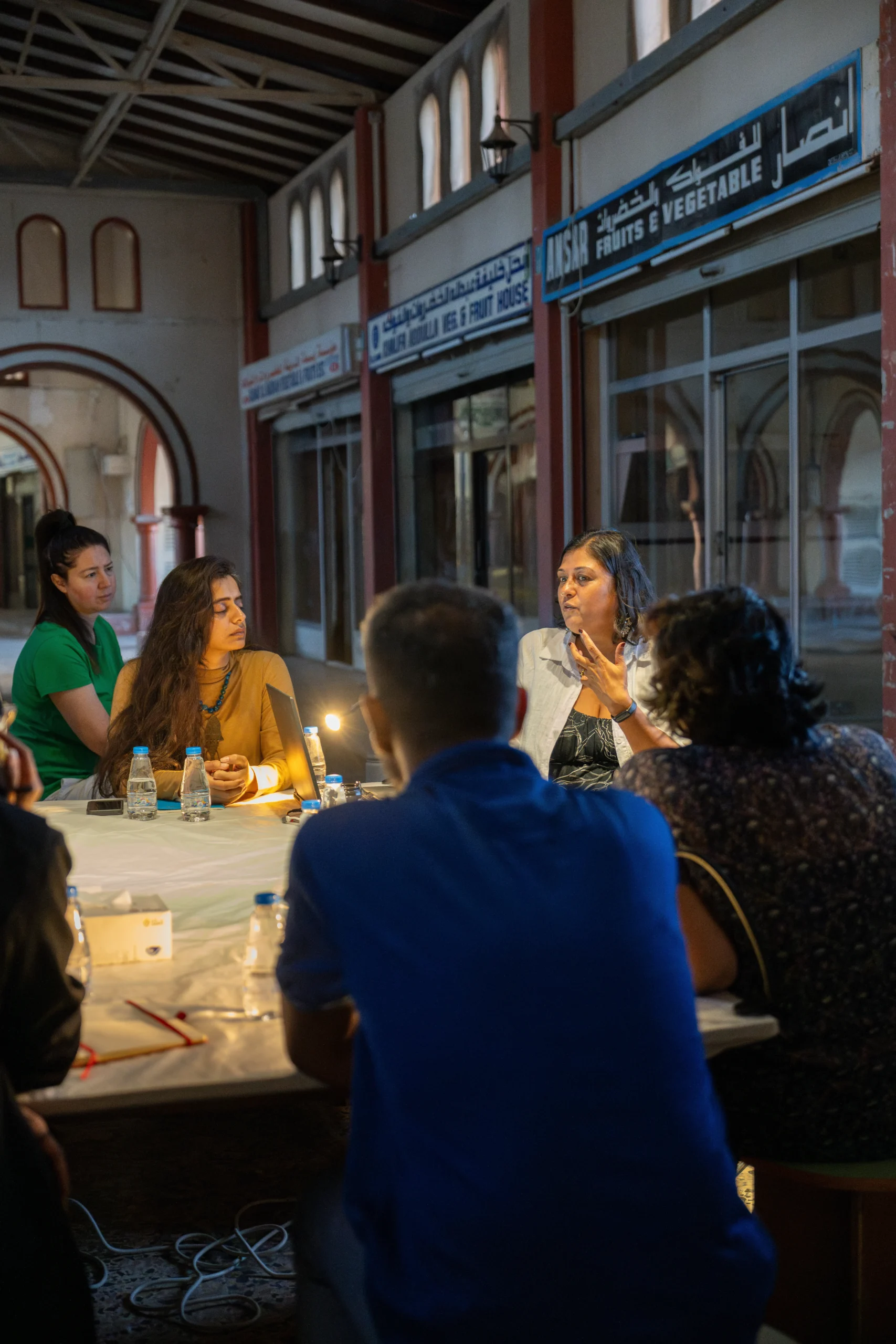
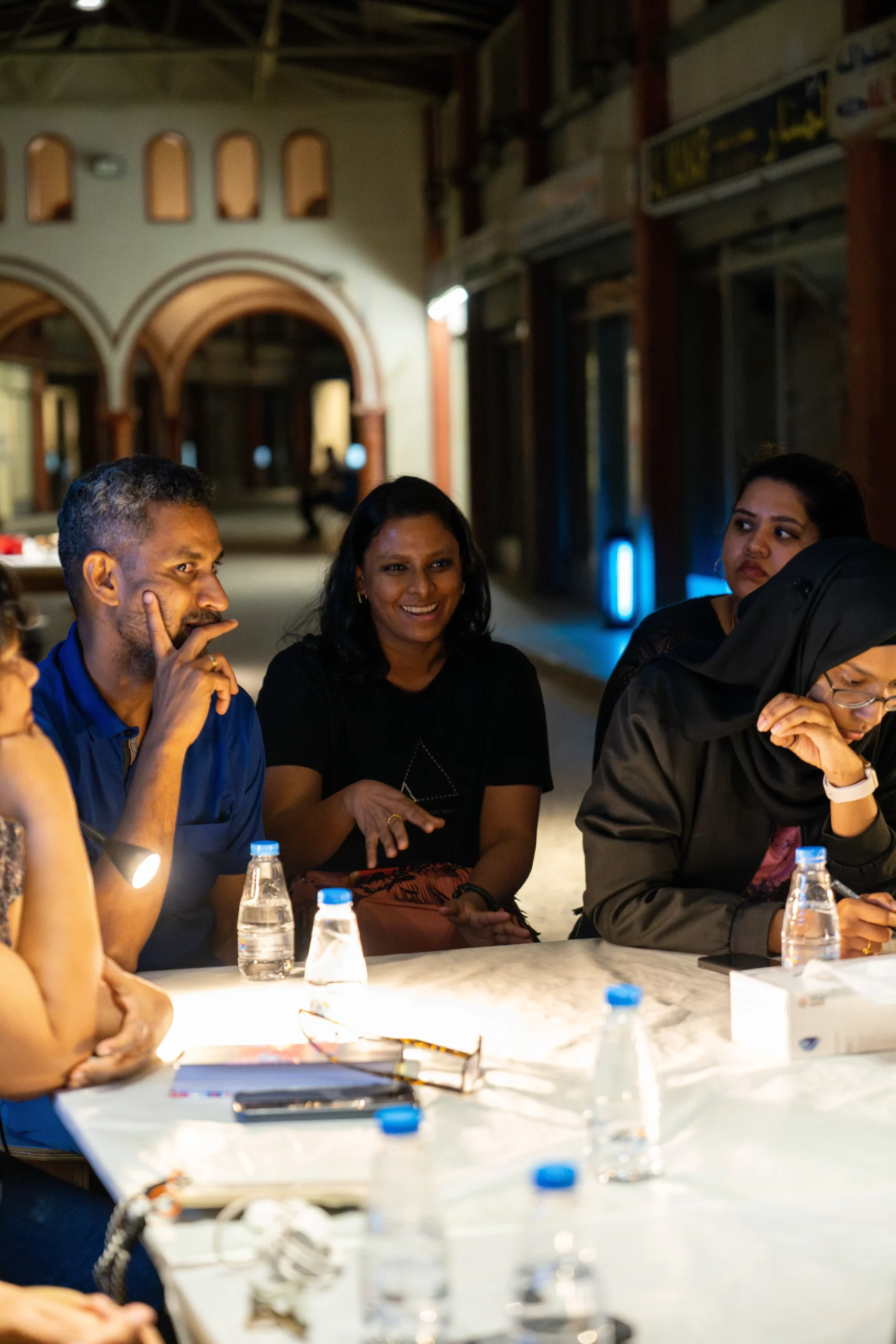
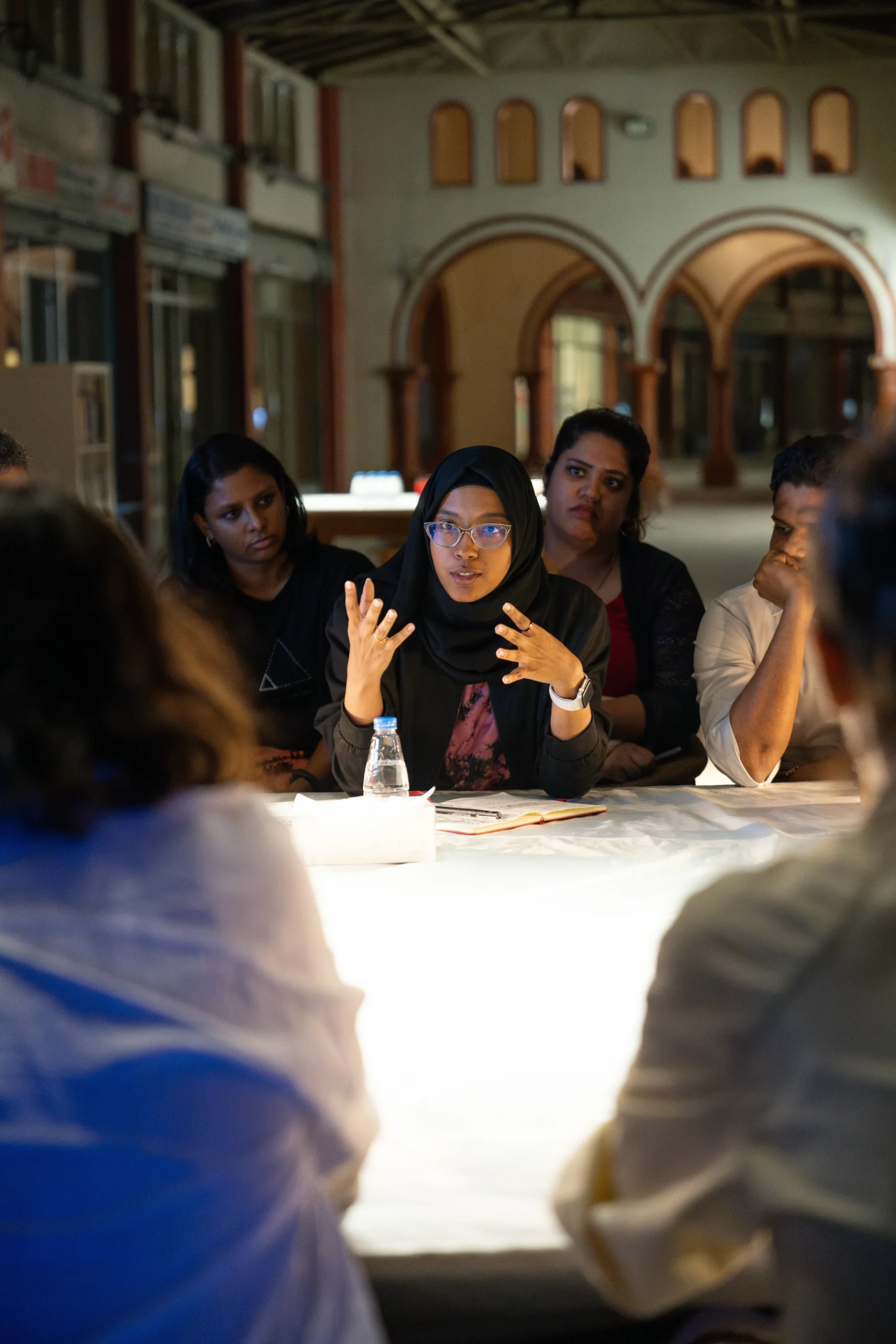
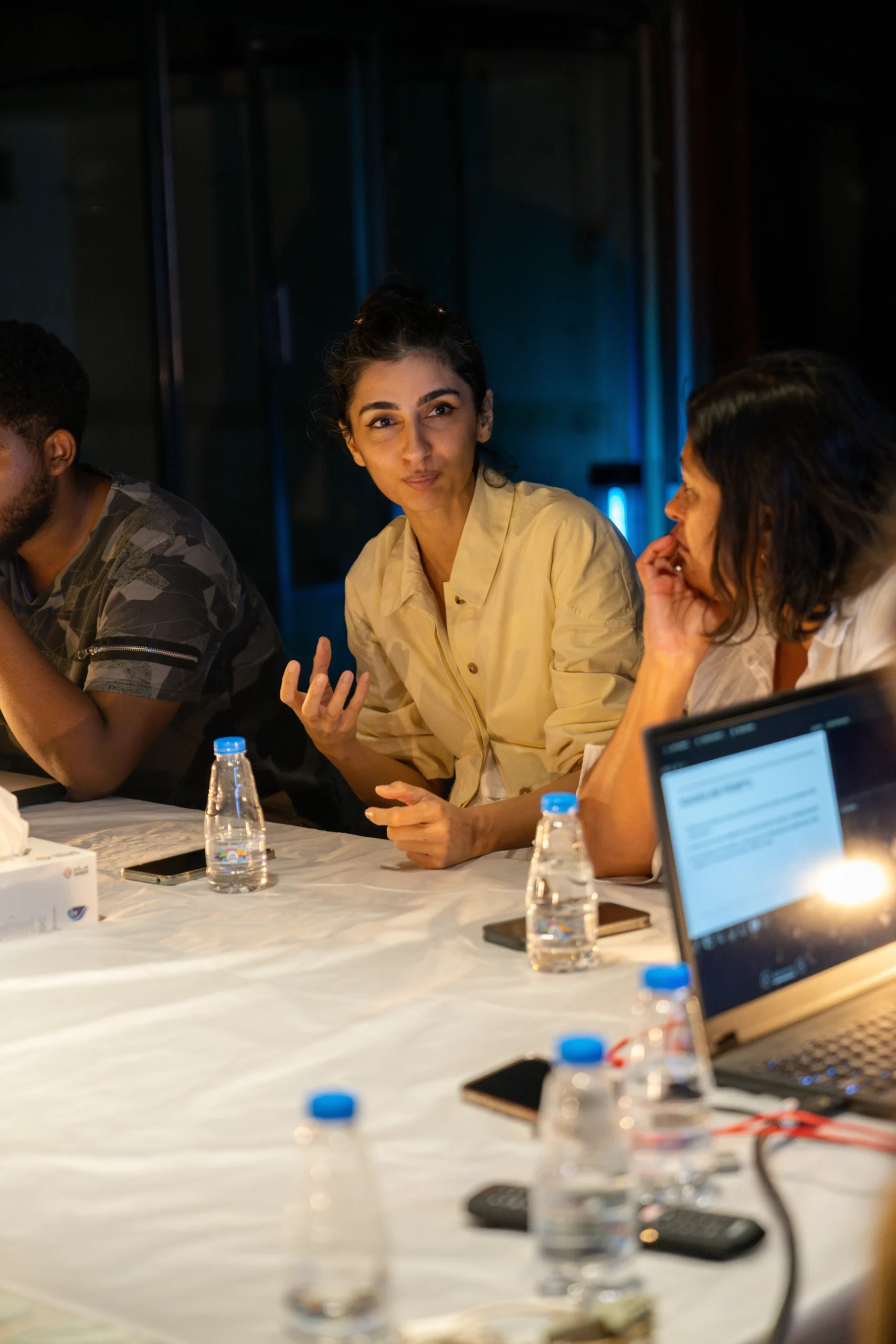
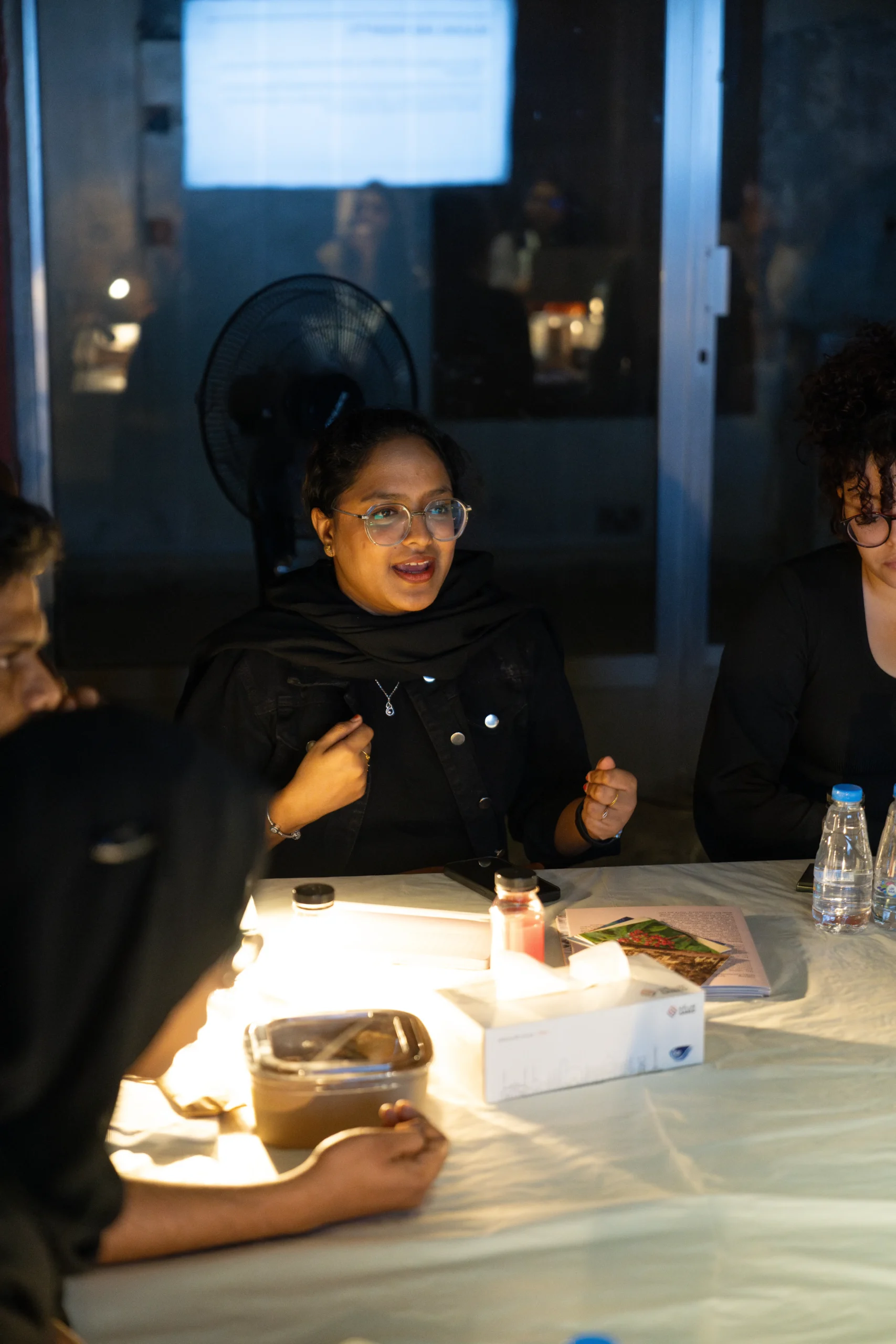
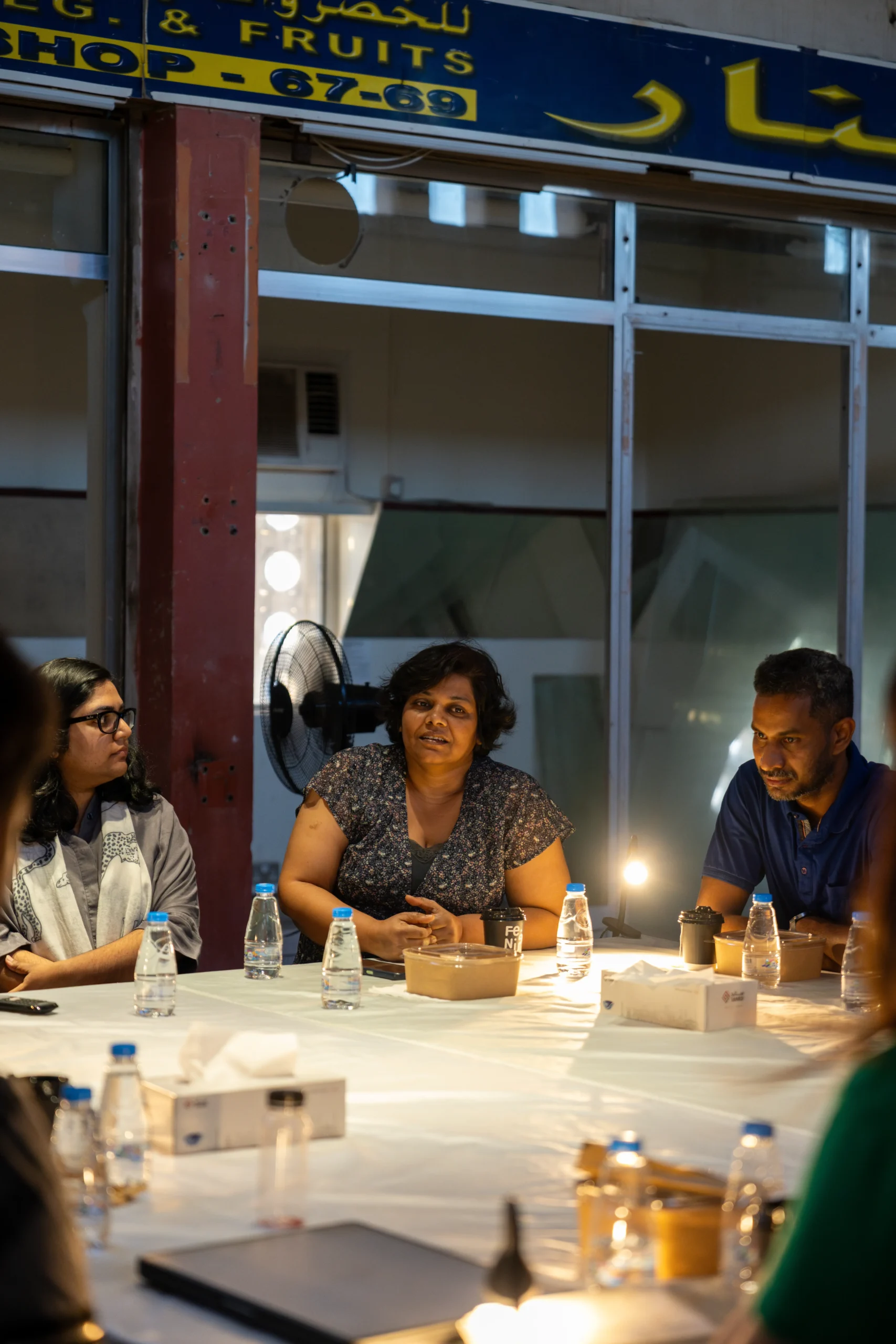
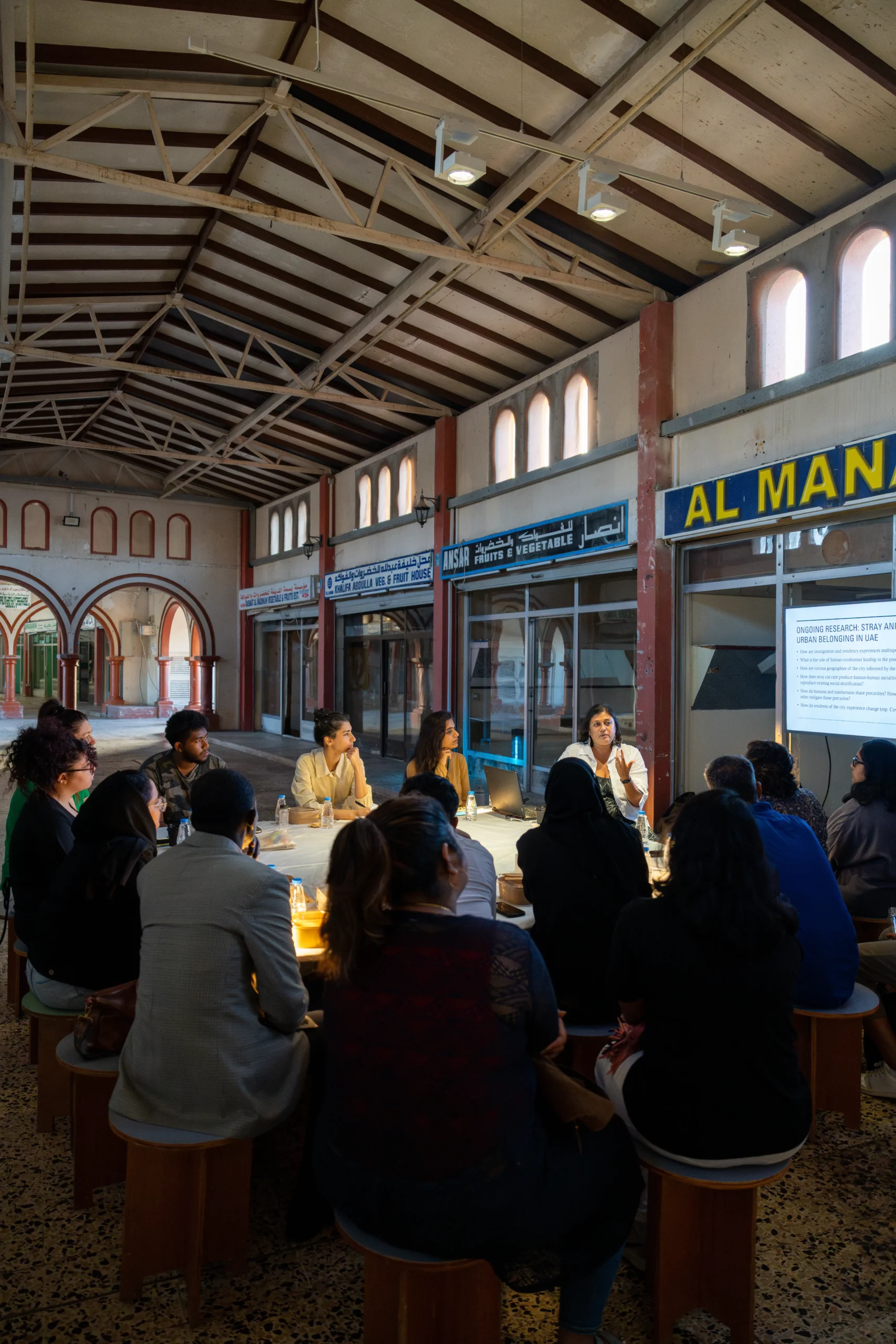
Living Continuity Urban Workshop 2: Immersive Methods: tracing and foregrounding past-present ecologies by Neha Vora and Richi Bhatia
Living Continuity is a collective inquiry into the challenges and potential of working towards spatially just neighbourhoods. In current urban policy debates, the neighborhood has emerged as an important scalar construct to understand the systems and processes that shape communities and ecosystems. This calls for re-examining the denotations and connotative dimensions of the terms 'neighbourhood', and 'community' beyond the romanticised and the normative. In the global context of pervasive neoliberal urbanism, cities that are planned and grow on principles of zoning warrant accelerated segregation, expulsion and homogenization. Urban expansion and renewal thus yields disproportionate access to and distribution of environmental wellness, urban commons, social health and mobility. The tension between renewal vs expansion which occurs at this scalar level also raises questions on how to secure lived continuity, intersectional diversity, and social cohesion. How can interlocutors, respondents and residents facilitate and advocate for inclusive, decolonial and sensitive discourses around urban policy and education given socio-political limitations and challenges?
This line of inquiry will continue to be explored through research exhibitions, symposia, knowledge exchange and research tools. We will reflect on how to broaden our understanding of praxis-based alternatives as well as how to amplify insights on interdependence, plurality and spatial practice.
Urban Workshop 2: “Immersive Methods: tracing and foregrounding past-present ecologies" by Neha Vora and Richi Bhatia
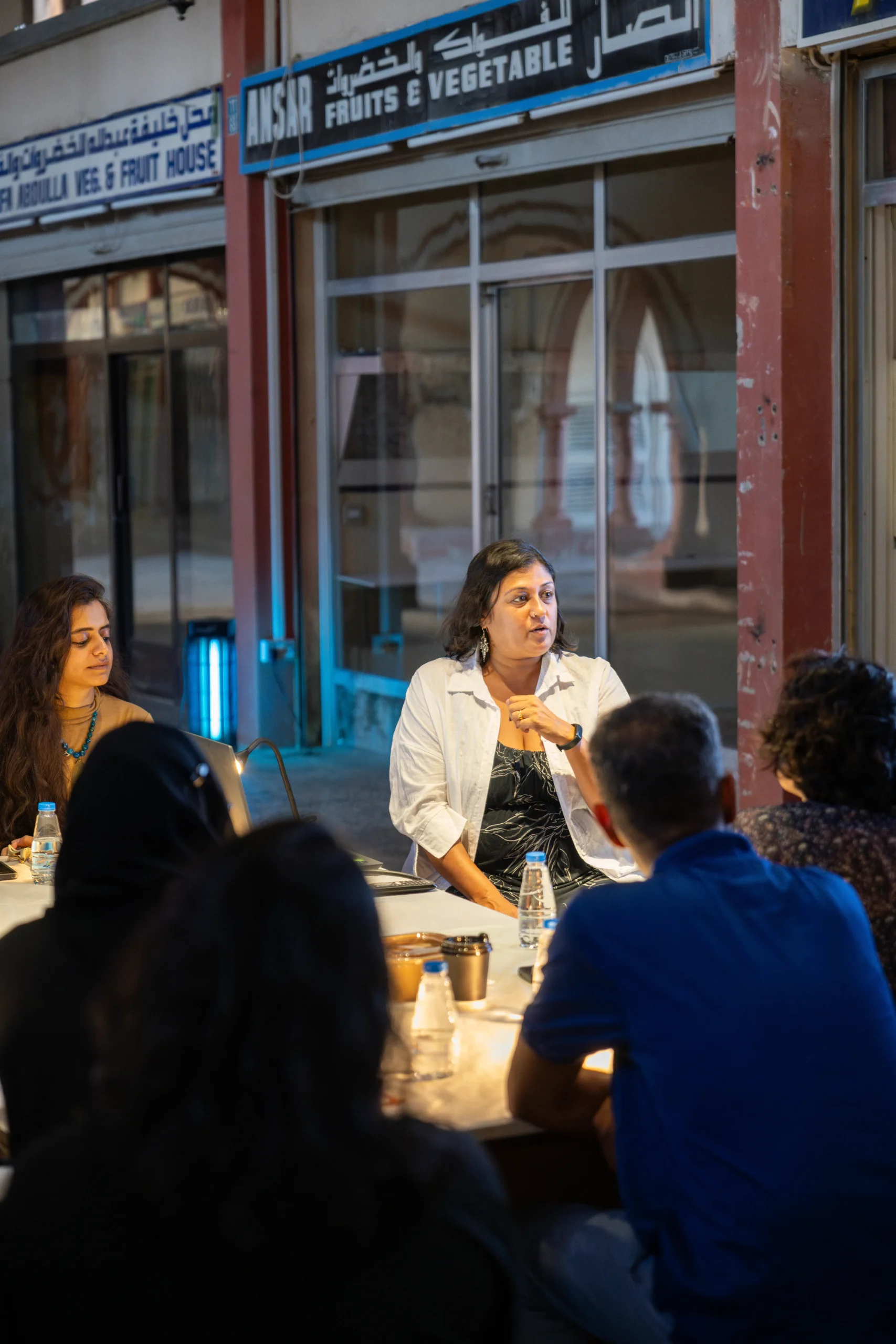
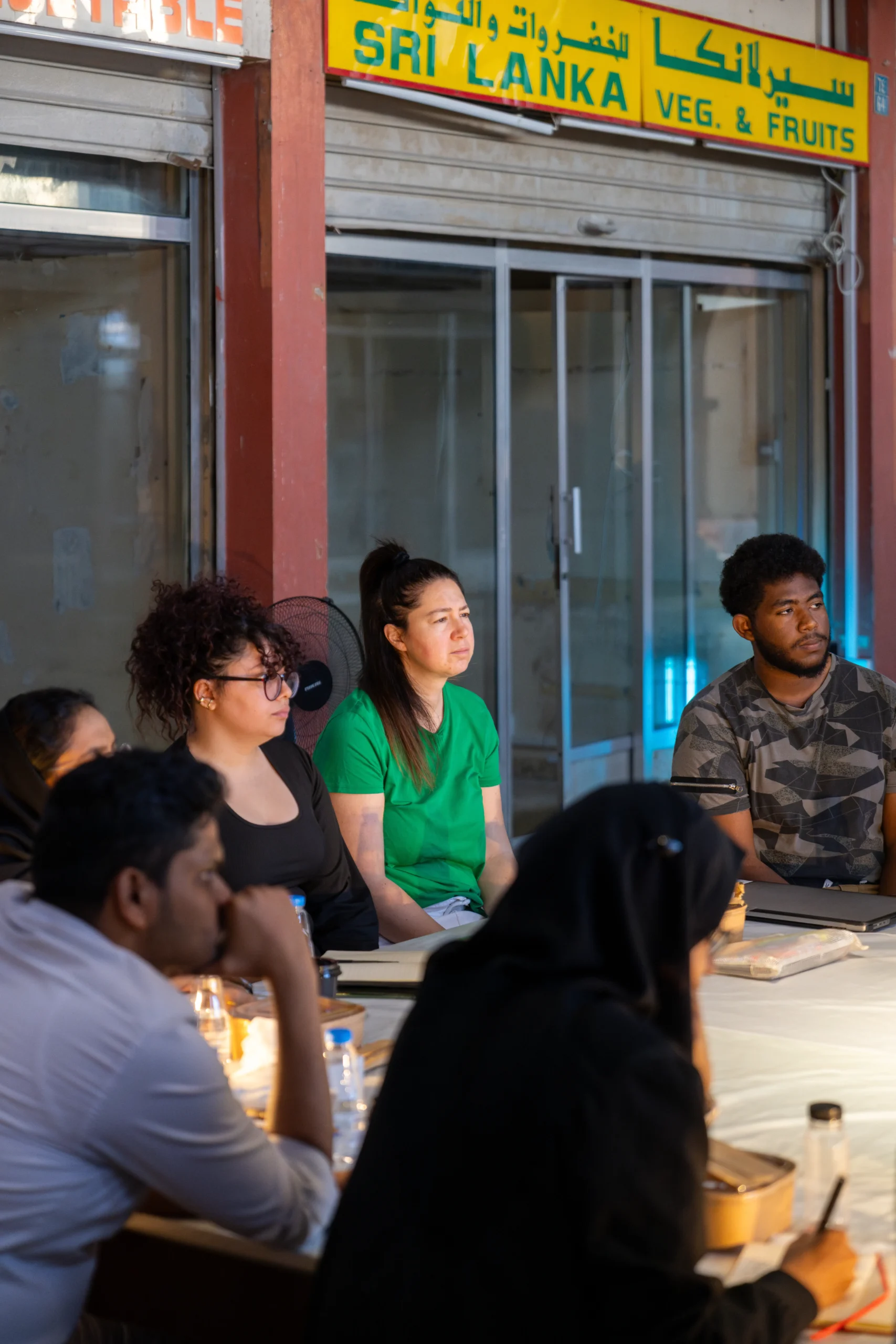
Once a site of daily human and nonhuman interaction, the old Jubail fruit and vegetable market now holds the echoes of its past—vendors, buyers, cats, and fish, all entangled in networks of long-standing exchange and care. As the open-air market gave way to redevelopment, these connections were fractured, leaving behind architectural residues and traces of former lifeways.
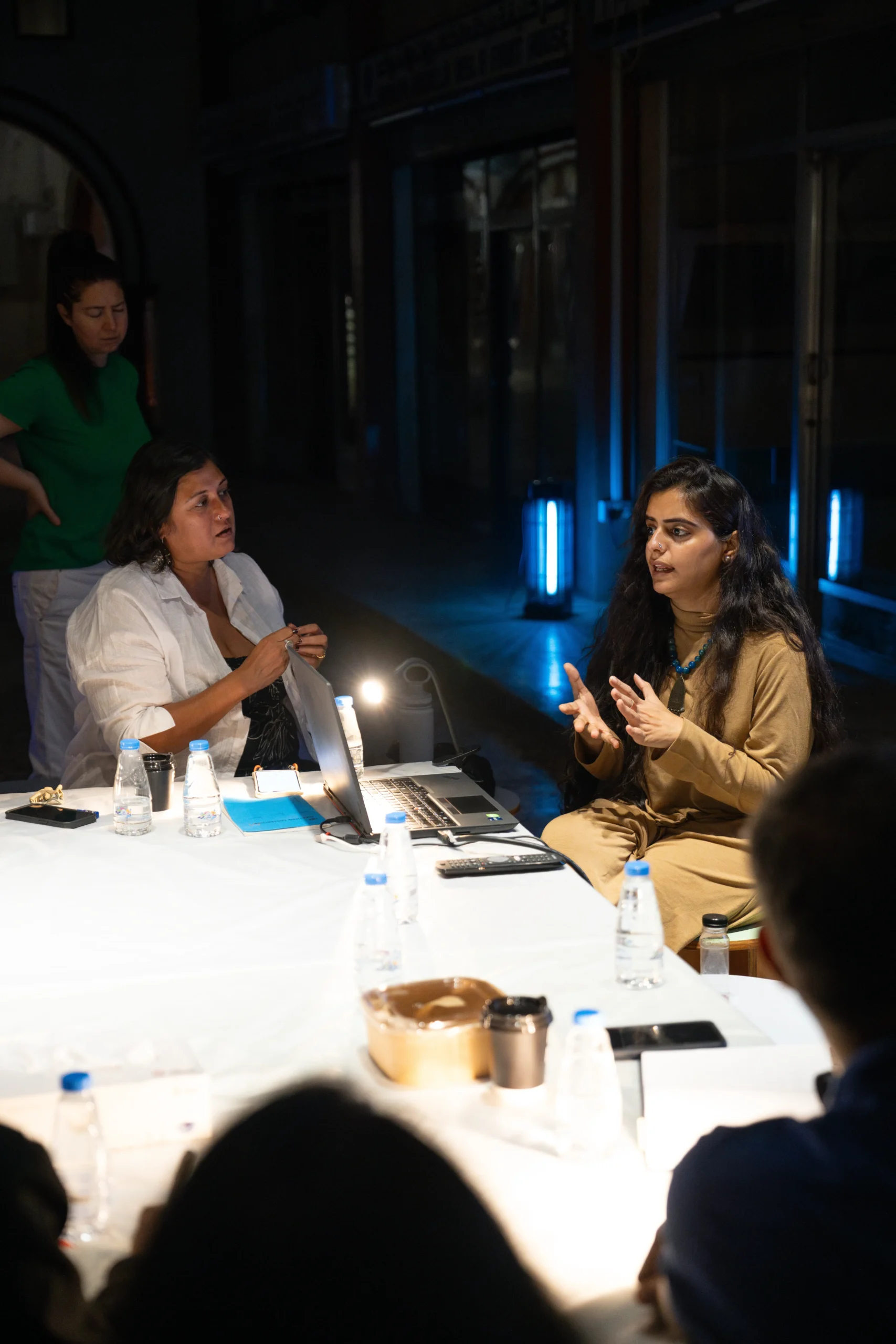
What if we slow down and attend to these remnants? What stories emerge from observing what lingers? Anthropologist Neha Vora examines layers of multispecies urbanism, exploring how nonhuman inhabitants—particularly stray cats—navigate the absence of former kinship networks and adapt to shifting urban ecologies. Extending this inquiry, Artist Richi Bhatia engages with these ruptures through material practice, reanimating severed relationships of markets and foregrounding past-present layers of urban narratives.
Moving between structured discussions, self-guided observations, and collective reflection, we will explore the layered histories embedded in the site. We will engage in interdisciplinary methods through documenting material traces, collecting objects, and analysing emergent narratives to help us reconfigure our understanding of urban space—not as a human-centric construct, but as a shared habitat.
Collaborator: Neha Vora
Neha Vora is Professor of Anthropology in the Department of International Studies at the American University of Sharjah in the United Arab Emirates. Her research and teaching interests include diasporas and migration, citizenship, globalized higher education, gender, liberalism, political economy, and human-nonhuman encounters, primarily in the Arabian Peninsula region. She is the author of Impossible Citizens: Dubai’s Indian Diaspora (Duke University Press, 2013) and Teach for Arabia: American Universities, Liberalism, and Transnational Qatar (Stanford University Press, 2018). Her current research project is examining Dubai and other UAE cities as sites of entangled precarities humans and nonhumans, paying particular attention to informal stray cat care by immigrants and to the place-making practices of stray cats themselves.